JOURNAL
25 results for "Animals and Surroundings" Clear
Auspicious words and symbols are woven into Tibetan daily life. We have created our hand-painted prayers and blessings, so that they, too, might carry a gentle sense of wellbeing into the lives and spaces of others.
Blessings can be added to any Norlha order, with one blessing per Norlha piece.
$50
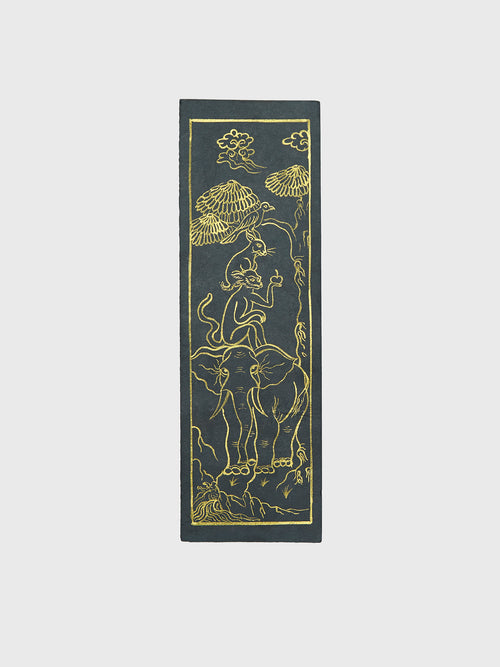
The Four Friends Blessing are a symbol of harmony. In ancient times, before the coming of Buddha, an elephant, a monkey, a hare and a grouse lived in the jungles of the kingdom of Kashinagar, which is in present day Varanasi, India. They decided that the source of happiness lay in the respect of others. For World Peace Day, the Four Friends reminds us of the strength of the collective in creating a world where all can experience boundless peace, enjoying the happiness that emanates from a world free of conflict. Be kind, be compassionate and peace will follow.This blessing is hand-painted in copper sand ink on black paper by Lhagon Kyap, a local painter who specialises in thangkas, Tibetan religious scrolls. *Please note that blessings can only be added to existing orders via the checkout, and cannot be purchased alone.
$50
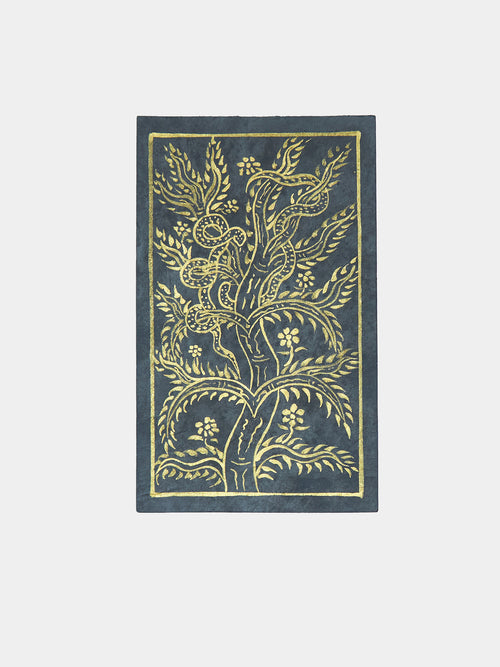
The Year of the Wood Snake is considered a good time for growth, creativity and introspection, said to attract good energies and luck – the Wood Snake associated with wisdom, intuition and renewal. The energy of the Snake is also related to transformation, as this animal sheds its skin to renew itself, a powerful symbol of personal and spiritual evolution. On the other hand, wood, as an element, is associated with stability and connection with nature. The combination of snake and wood creates a special synergy that is expansive and balanced, expressive and magnetic. This blessing is hand-painted in copper sand ink on black paper by Lhagon Kyap, a local painter who specialises in thangkas (Tibetan religious scrolls). *Please note that blessings can only be added to existing orders via the checkout, and cannot be purchased alone.
$50
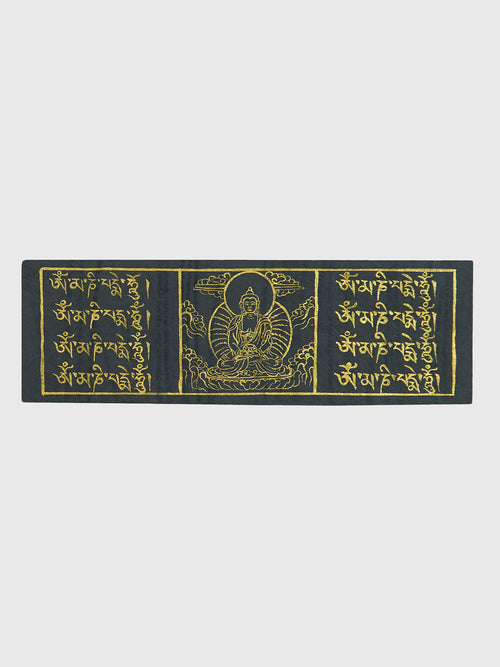
ཨོཾ་མ་ཎི་པདྨེ་ཧཱུྃ The Buddha Blessing depicts the most recited and ubiquitous of all Buddhist mantras, oṃ maṇi padme hūṃ. Oṃ maṇi padme hūṃ is a praise to the four-armed Avalokiteshvara (translated as ‘the lord who looks in every direction’ or ‘the lord of what we see’), the Buddhist deity of infinite compassion and mercy. The mantra invokes ‘the jewel in the lotus’, the jewel being the wish fulfilling gem (or cintāmaṇi), and the lotus representing purity. Either spoken aloud or sounded internally, the mantra is believed to create a connection to Avalokiteshvara and induce a higher level of spiritual awareness. This blessing is hand-painted in copper sand ink on black paper by Lhagon Kyap, a local painter who specialises in thangkas, Tibetan religious scrolls. *Please note that blessings can only be added to existing orders via the checkout, and cannot be purchased alone.
$50
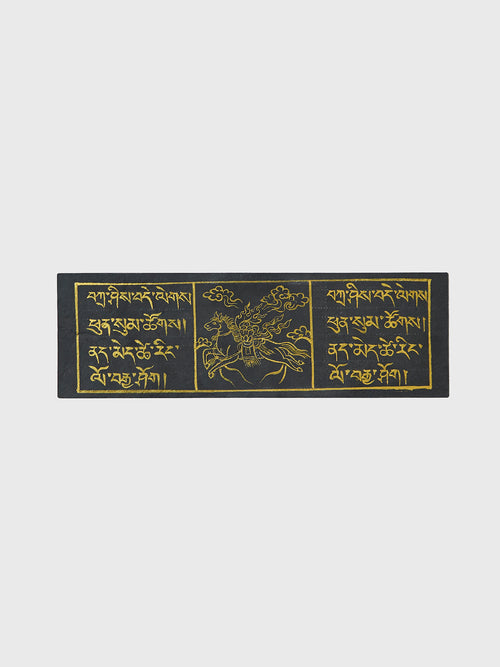
The New Beginnings blessings depicts a lungta (wind horse), which is a Tibetan symbol of good fortune. In Tibet, this blessing is often given to families at the time of a new birth, and reads: May these auspicious greetings See your spiritual and material wishes fulfilled And bring you a long and healthy life That will last a hundred years This blessing is hand-painted in copper sand ink on black paper by Lhagon Kyap, a local painter who specialises in thangkas (Tibetan religious scrolls). *Please note that blessings can only be added to existing orders via the checkout, and cannot be purchased alone.

$50
In Tibetan astrology, The Water Rabbit is considered the luckiest of all the zodiac animals. The Tibetan Lunar Calendar contains twelve zodiac signs, each of which carries its own meaning and significance. The Water Rabbit is spiritual and peace loving by nature and loathes any kind of aggression. They are compassionate, cautious, apt at resolving conflicts, calm and tactful. Hand-painted in copper sand ink on black paper by Lhagon Kyap, a local painter who specialises in thangkas, Tibetan religious scrolls. *Please note that blessings can only be added to existing orders via the checkout, and cannot be purchased alone.
$50
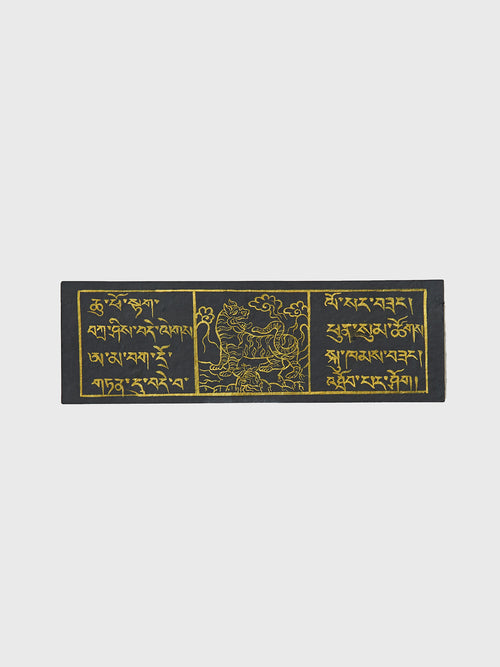
In Tibetan astrology the water tiger, symbolises change, risk-taking and adventure. To celebrate, this blessing reads:In the year of the water tiger May these auspicious greetings Bring you lasting joy May this happy new year Fulfil your spiritual wishes And may you achieve good health This blessing is hand-painted in copper sand ink on black paper by Lhagon Kyap, a local painter who specialises in thangkas (Tibetan religious scrolls). *Please note that blessings can only be added to existing orders via the checkout, and cannot be purchased alone.
$50
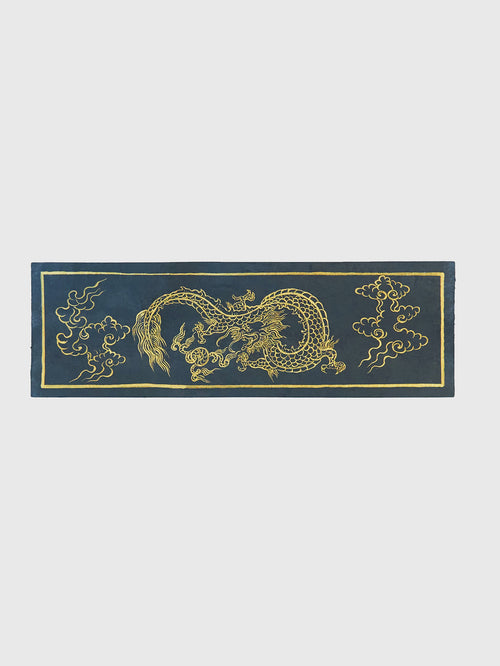
In Tibetan astrology, the Wood Dragon is considered an auspicious creature who excels in many talents, symbolising power, honour, luck, and success, it is believed to bring about opportunity, change, and challenges. The Tibetan Lunar Calendar contains twelve zodiac signs, each of which carries its own meaning and significance. This blessing is hand-painted in copper sand ink on black paper by Lhagon Kyap, a local painter who specialises in thangkas, Tibetan religious scrolls. *Please note that blessings can only be added to existing orders via the checkout, and cannot be purchased alone.
$50
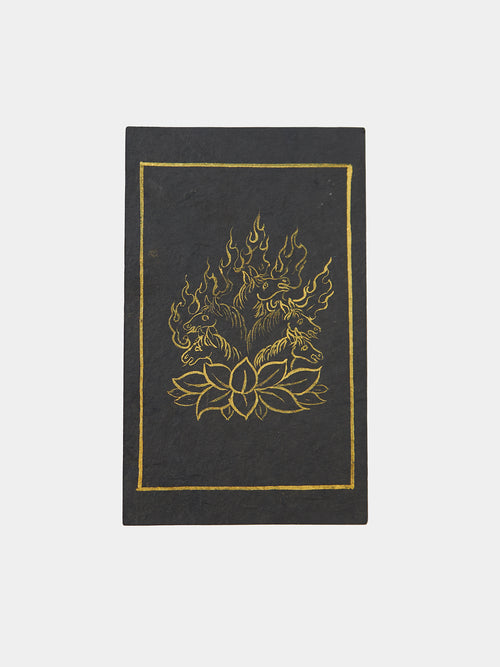
Hand Painted Fire Horse blessing for this year's Lunar New Year. The Year of the Fire Horse is marked by restless, transformative energy—an amplification of the Horse’s natural drive, sweeping in the potential for bold change. It encourages progress and expansion, though navigating this surge demands wisdom and patience to channel productivity and temper volatility. This is considered an auspicious time for endeavors that call for physical strength and determination, inspiring people to break free from limitations and pursue their goals with renewed vigour. This blessing is hand-painted in copper sand ink on black paper by Lhagon Kyap, a local painter who specialises in thangkas (Tibetan religious scrolls). *Please note that blessings can only be added to existing orders via the checkout, and cannot be purchased alone.


25 results for "Animals and Surroundings" Clear


